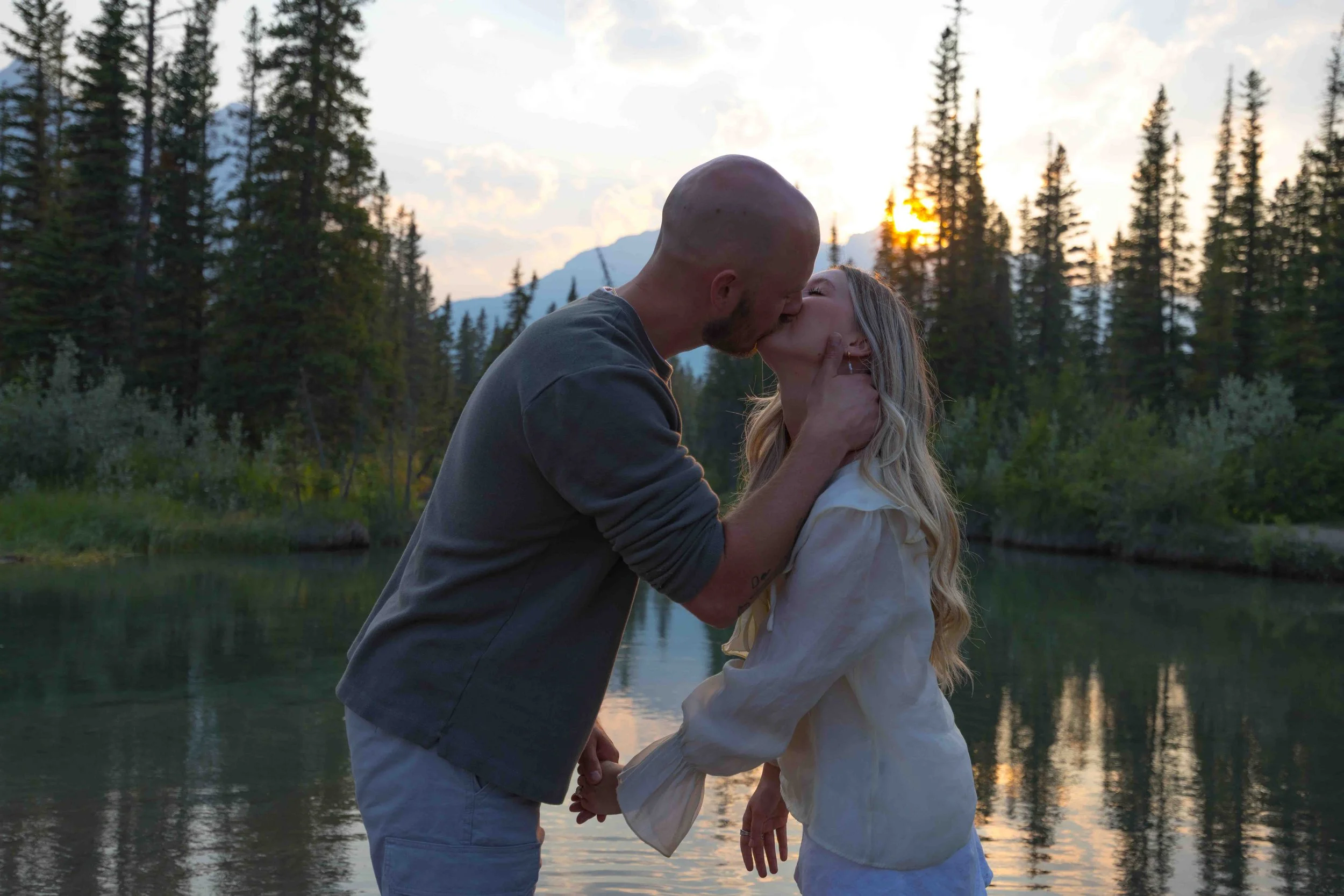
Before you book a venue, buy a wedding dress or accidentally invite 150 people, read this.
First of all, CONGRATULATIONS! You're engaged!
You've probably already told your family, stared at your ring approximately 400 times and started a Pinterest board that has somehow turned into a full-time job.
And now everyone wants to know: Have you picked a date? Where are you getting married? Am I invited?
You've been engaged for 48 hours. Please, everyone, relax.
If you're wondering what to do after getting engaged, I've put together 10 things that will actually make wedding planning easier, save you money and help you avoid some pretty common mistakes.
Whether you're planning a big wedding, an intimate celebration in the Okanagan or an elopement somewhere beautiful, start here.
01. Enjoy Being Engaged Before You Start Planning
Seriously. You don't need to have a wedding date by Friday.
Take a little time to celebrate together before your engagement becomes a giant checklist. Go out for dinner, take a weekend trip or spend a few days enjoying the news.
My advice: Give yourselves at least a week or two before making major wedding decisions, unless there's a genuine reason to move quickly.
02. Have the Money Conversation (Yes, Already)
Before looking at venues, figure out what you're actually comfortable spending.
Not what Pinterest says your wedding should cost. Not what your parents spent. What works for the two of you.
Discuss:
Your maximum wedding budget.
Whether anyone is contributing financially.
What you're willing to spend more on.
What you're happy to skip.
And please don't forget about taxes, gratuities, alterations, transportation and all those smaller expenses that add up.
Money-saving tip: Set aside approximately 5–10% of your budget for unexpected costs. That way, one surprise expense doesn't derail everything.
03. Make Your Guest List BEFORE Choosing a Venue
This is one of the biggest wedding planning mistakes couples make.
You fall in love with a venue that accommodates 40 guests. Then you write your guest list and realize you have 85 people.
Oops.
Start with three groups:
Must invite: The people you absolutely want there.
Would love to invite: Friends and extended family.
Optional: People you feel obligated to invite.
Here's something worth remembering: every additional guest can affect your catering, rentals, seating, transportation and bar costs.
A smaller wedding isn't automatically cheaper, but reducing your guest count can free up money for the things you care about most.
04. Decide What Kind of Wedding You Actually Want
Before you start looking at venues, ask yourselves one question:
If nobody else had an opinion, what would our wedding look like?
Maybe it's a big party with everyone you know.
Maybe it's a 30-person wedding at a winery.
Maybe it's just the two of you exchanging vows somewhere in the mountains.
There's no rule that says you need a bridal party, a bouquet toss, a first dance or even a traditional reception.
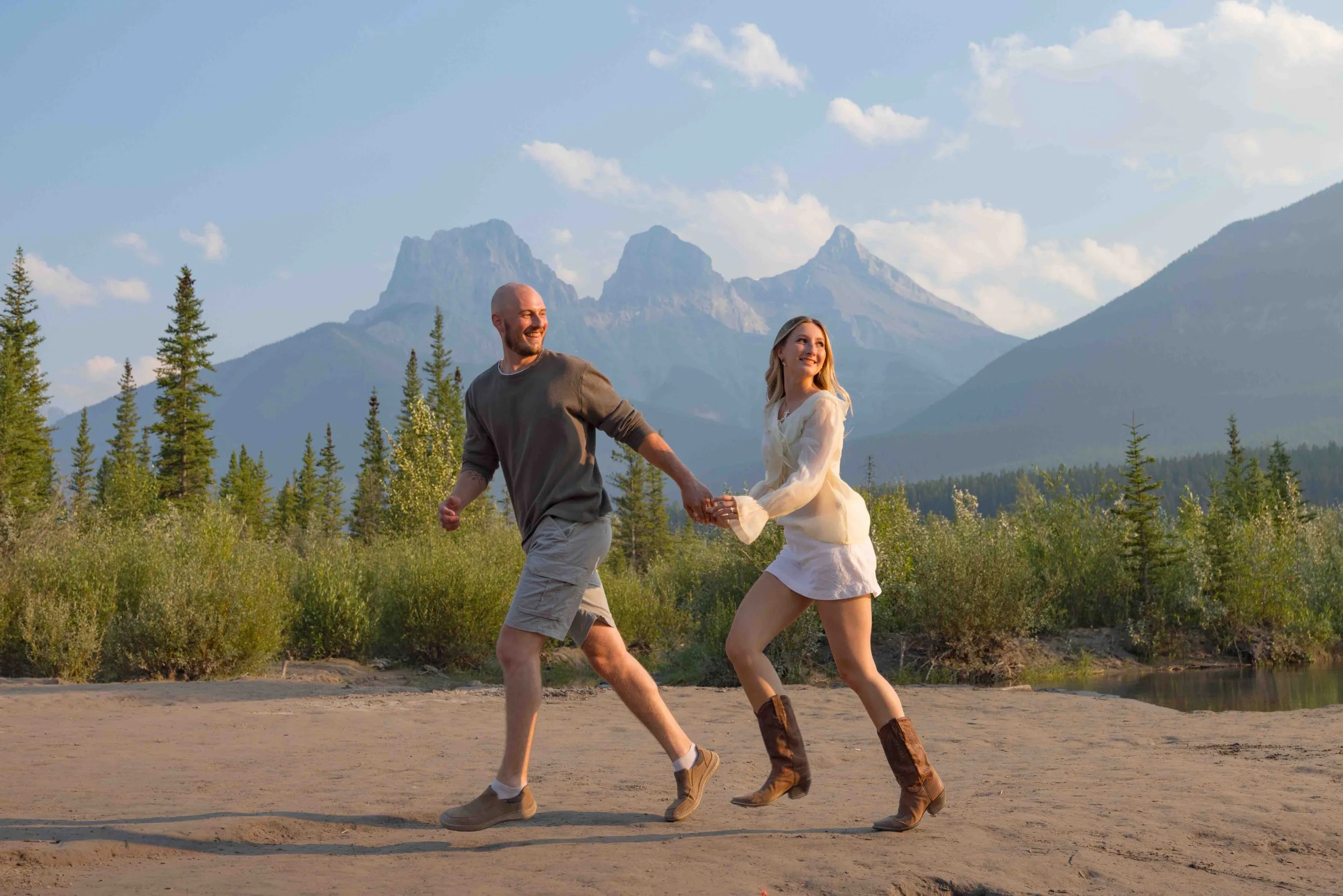
And if you're considering an elopement, remember that it can include guests, a beautiful dinner and an entire day of activities. It doesn't have to mean running off secretly.
Try this: Each of you write down your three biggest wedding priorities separately, then compare your answers. It's a surprisingly useful exercise.
05. Pick a Season Before Picking a Date
Your wedding date affects more than your anniversary.
It can influence venue availability, travel expenses, flower choices, guest accommodation and your overall wedding experience.
For example, summer weddings in the Okanagan offer long evenings and vineyard settings, but you also need to consider heat, wildfire smoke and peak-season demand.
Meanwhile, spring and fall can offer beautiful scenery and potentially more flexibility, depending on the venue and vendors.
Money-saving tip: Ask venues about weekday, Sunday and off-season pricing. However, compare the full package because lower venue fees don't always mean lower overall costs.
06. Research Your Most Important Vendors Early
Once you've worked out your budget, guest count and preferred dates, start researching the vendors you care about most.
Usually, that means your venue, planner and photographer, followed by catering and other priority services.
Popular wedding dates can book well in advance, particularly for vendors who only take one wedding per day.
Before booking anyone, ask:
What's included in the price?
Are taxes, travel or additional fees extra?
What's the payment schedule?
What happens if we need to postpone?
What's the cancellation policy?
Important: Don't book a vendor simply because they're available. Make sure you like their work, understand their contract and feel comfortable communicating with them.
07. Stop Buying Wedding Décor Right Now
I know. The vintage silver candlesticks are calling your name.
But buying decorations before you've booked a venue or decided on a design direction is an easy way to waste money.
Your venue might already provide tables, chairs, linens, candles or decorative pieces.
Instead, create one inspiration board and look for recurring details. Maybe you're drawn to romantic fabrics, antique silver, sculptural flowers or rich Renaissance-inspired colours.
Once you have a venue, you'll know what you actually need.
Money-saving tip: Ask about rental collections and secondhand wedding décor before purchasing everything new. Also consider which ceremony arrangements can be reused at your reception.
08. Get Your Wedding Website Started
You don't need professional engagement photos or a finished invitation design to create a wedding website.
Once you've confirmed your date and location, it's a useful place to organize information for your guests.
Include:
Wedding date and location.
Accommodation suggestions.
Transportation and parking details.
Dress code.
RSVP information and deadlines.
Any important accessibility details.
You can add more information as your plans develop.
Bonus tip: If you're planning a destination wedding, give guests as much notice as possible so they can budget for flights, accommodations and time off work.
09. Understand the Legal Side of Getting Married
This isn't the glamorous part, but it's important.
Getting married legally and having a beautiful wedding ceremony aren't always the same thing.
In British Columbia, couples generally need a marriage licence, an authorized marriage commissioner or religious representative, and two witnesses. A BC marriage licence is valid for three months.
If you're eloping internationally, the requirements can be much more complicated. Some couples choose to complete the legal paperwork at home and have a symbolic ceremony abroad.
Save this reminder: Before paying deposits for a destination wedding, check the marriage requirements and ceremony restrictions with the relevant government authorities.
10. Make a Wedding Planning Timeline You Can Actually Follow
You do not need to organize your entire wedding in one weekend.
Start with the decisions that affect everything else.
Your First 30 Days After Getting Engaged
Week 1: Celebrate
Enjoy your engagement.
Share the news.
Talk about what kind of wedding you both want.
Week 2: Get practical
Agree on a comfortable budget.
Draft your guest list.
Choose your top three priorities.
Week 3: Research
Narrow down your preferred season and dates.
Research venues and important vendors.
Compare what's included in pricing.
Week 4: Start booking
Tour or contact your favourite venues.
Review contracts carefully.
Book your first priority vendors once your date and budget are confirmed.
You can adjust this timeline if you're planning a wedding on shorter notice.
A Few Things You Can Stop Worrying About
Before you go, here's your permission slip to ignore a few unnecessary wedding pressures.
You don't have to invite someone because they invited you to their wedding.
You don't have to have bridesmaids or groomsmen.
You don't need expensive wedding favours.
You don't have to follow every wedding tradition.
And you absolutely don't have to spend money trying to impress people you barely know.
The best wedding decisions usually come from figuring out what matters to you and being willing to skip the rest.

Save This Before You Start Wedding Planning
If you remember nothing else from this blog, remember these five things:
Budget before bookings.
Guest list before venue.
Priorities before Pinterest purchases.
Read every contract before paying a deposit.
Plan a wedding you can enjoy, not just one that looks good online.
And that's your starting point. You can officially close those 37 wedding planning tabs now. Well, maybe 35 of them.
Planning a Wedding or Elopement in 2027 or 2028?
I'm Darrian, the photographer behind Pocket Sunshine Photography, based in Vernon, British Columbia.
I photograph weddings, engagements and elopements throughout the Okanagan and beyond. I also help my couples with photography timelines, location ideas and figuring out how to make the most of their wedding day.
If you're newly engaged and starting to plan, I'd love to hear what you're dreaming up.
