
A guide to wedding photography styles, editing, creative direction and finding a photographer whose work actually feels like you.
You know that feeling when you're watching a really good movie and you want to pause it because the scene is just that beautiful?
That's what I love about photography.
The light coming through a kitchen window. Two people laughing so hard they can barely stand. A couple dressed to the nines in the middle of nowhere, looking like they belong on the cover of a magazine.
I want photographs that could be stills from a film about your life. Something romantic, a little wild, sometimes sexy, sometimes hilarious. Preferably all of the above.
But here's the thing: not every photographer approaches their work the same way.
Some are storytellers. Some are directors. Some are traditionalists. Some are artists who will happily ask you to run through a field in formalwear because the light looks incredible.
And some can do a bit of everything.
If you're currently searching for a wedding photographer in Vernon, Kelowna, the Okanagan or the Canadian Rocky Mountains, understanding these differences can make finding the right person a whole lot easier.
Because choosing a photographer isn't just about finding photographs you think are pretty. It's about deciding how you want to be photographed.
1. Documentary Photography: For the Beautifully Unscripted
Documentary wedding photography, sometimes called photojournalistic photography, focuses on capturing events as they happen.
Think your grandmother tearing up during the ceremony, your friends absolutely losing it on the dance floor or that ridiculous expression your partner makes when they see you for the first time.
These are photographs that don't need much direction.
A documentary photographer typically spends more time observing than organizing, looking for interesting compositions, genuine interactions and the little stories happening throughout the day.
And that takes skill.
Being unobtrusive doesn't mean standing around waiting for something interesting to happen. A good documentary photographer is constantly anticipating what's coming next.
This style might be for you if: You love candid photographs, prefer minimal posing and want your wedding documented without too much interruption.
One thing to remember, though: even documentary photographers usually provide some direction for family portraits and formal photographs. It's worth asking how they approach those parts of the day.
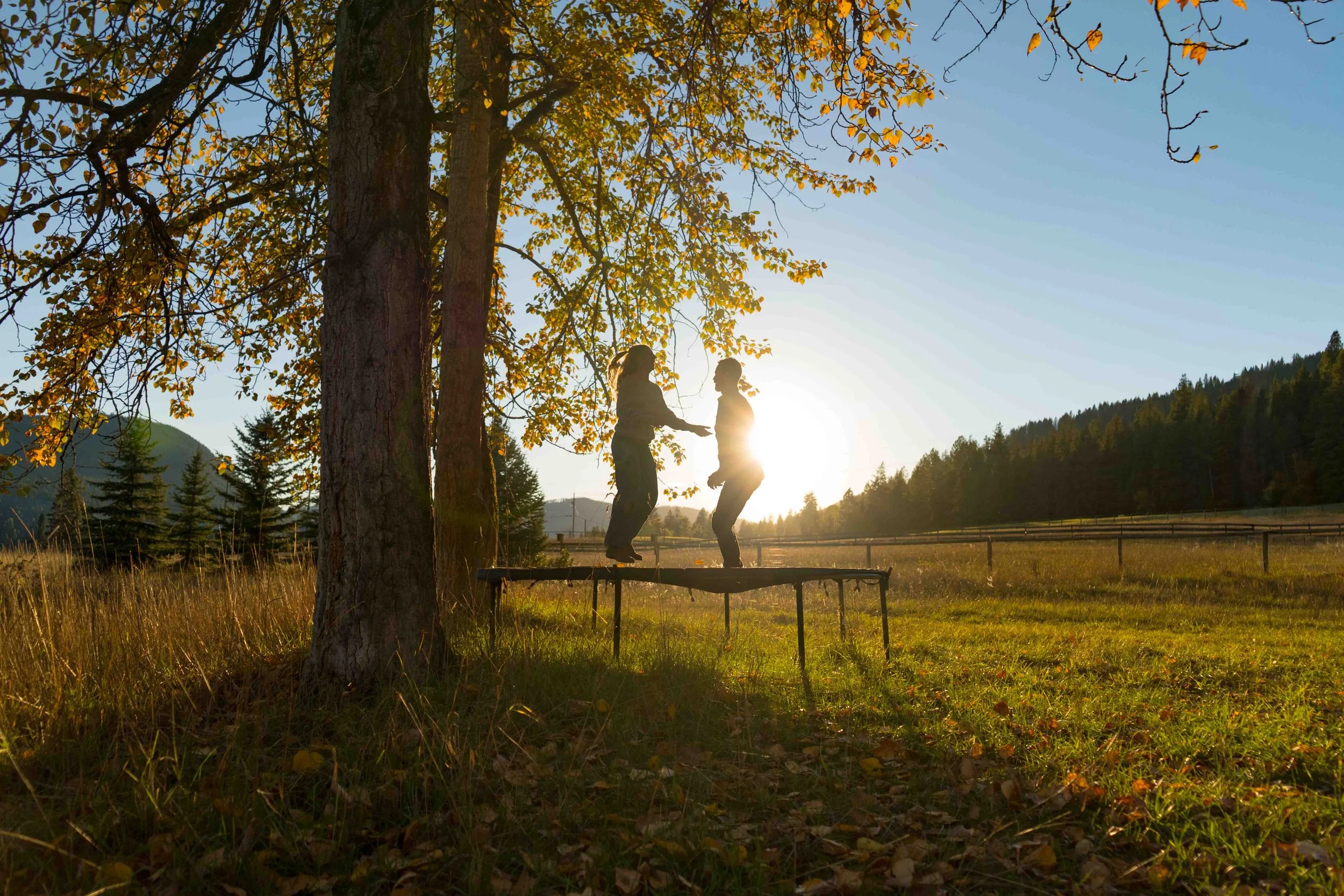
2. Editorial Wedding Photography: A Little More Vogue, Please.
Now we're talking.
Editorial photography takes inspiration from fashion magazines, advertising campaigns and creative portraiture.
It's intentional. It's stylish. And yes, sometimes it's a little dramatic.
Think interesting angles, thoughtful compositions, movement, direct eye contact, beautiful wardrobe details and poses that might feel a little more adventurous than your standard wedding portrait.
I absolutely love editorial photography.
There's something exciting about creating an image that looks like it belongs in a magazine while still feeling personal to the people in it.
And no, you don't need to be a professional model.
That's where your photographer comes in.
A good editorial photographer should know how to guide you into flattering positions, use the environment creatively and make the experience enjoyable rather than intimidating.
Maybe that means photographing you walking through downtown Kelowna in your wedding attire, sharing a drink at a beautiful restaurant or standing somewhere unexpected with the Canadian Rocky Mountains behind you.
But here's my favourite part.
Editorial doesn't have to mean serious.
Give me a dramatic pose followed by uncontrollable laughter. Give me a beautifully styled portrait where somebody can't keep a straight face.
I love a little attitude, but I love personality even more.
This style might be for you if: You love fashion, creative posing, cinematic portraits and photographs that feel a little different from traditional wedding imagery.
3. Traditional Wedding Photography: There's a Reason It's a Classic.
Traditional wedding photography is exactly what it sounds like.
Classic portraits, organized family photographs, wedding party groupings and carefully composed images of the important parts of your day.
And before anyone starts thinking traditional means boring, it absolutely doesn't have to.
There's real value in having a photographer who can confidently organize 25 family members, find flattering light and get everyone looking at the camera without taking half an hour.
That's a skill I think people underestimate.
Traditional photography also gives you photographs that are straightforward, recognizable and easy to share with family.
You might love creative portraits, but there's a good chance someone in your family will still want that beautiful photograph of everyone standing together.
And honestly? Fair enough.
This style might be for you if: You appreciate timeless portraits, want plenty of family photographs and prefer a more structured approach.
4. Fine Art Photography: When Every Detail Has Its Place.
Fine art wedding photography places a strong emphasis on composition, lighting, colour and visual harmony.
It's often associated with soft natural light, elegant styling, carefully arranged details and romantic portraits.
But fine art isn't necessarily a specific editing preset or colour palette. It's more about the photographer's artistic intention.
The placement of a hand. The shape of a dress. The way light falls across someone's face.
Everything contributes to the photograph.
This approach can work beautifully for intimate weddings, thoughtfully designed celebrations and couples who appreciate a refined aesthetic.
This style might be for you if: You're drawn to elegant compositions, romantic imagery and photographs with a carefully considered artistic quality.
5. Cinematic Wedding Photography: Your Life, But Make It a Movie.
This one has my heart.
Cinematic photography borrows ideas from filmmaking. Lighting, composition, atmosphere, movement and visual storytelling all help create photographs that feel like scenes from a larger story.
But cinematic doesn't automatically mean dark and moody.
A photograph can be cinematic in beautiful morning sunlight. It can be colourful, playful, romantic or completely ridiculous.
What matters is the feeling of the scene.
Imagine spending an afternoon cooking together in your kitchen. Flour on the counter, music playing, someone stealing a kiss while the other person is trying not to burn dinner.
Or getting dressed up and driving somewhere spectacular just because you've always wanted to go.
Maybe it's a lakeside picnic in the Okanagan. Maybe it's a quiet cabin in the mountains. Maybe it's your favourite little corner of Vernon that nobody else would think to photograph.
Those are the kinds of stories I love creating.
I don't want every couple to end up at the same pretty lookout, standing in the same position, doing the same thing.
Sometimes a beautiful location is exactly what you need. And sometimes having fewer decisions to make is a relief.
But I love asking couples what actually means something to them.
What do you do together? Where do you go when you have a free afternoon? What would a scene from a movie about your relationship look like?
That's where things get interesting.
This style might be for you if: You love storytelling, movement, atmosphere and photographs that feel personal rather than predictable.
6. Editing Style and Photography Style Are Two Different Things.
This is where I think a lot of people get confused.
You might hear someone describe their photography as bright and airy, dark and moody, warm and nostalgic or true-to-colour.
Those descriptions generally refer to how the photographs look after editing.
They don't necessarily explain how the photographer works during a session.
Someone can photograph in a documentary style and edit their images with rich, dramatic colours.
Someone else can create highly directed editorial portraits and edit them with natural, realistic tones.
The shooting approach and the editing style are separate decisions.
Personally, I love natural colour.
I want skin tones to look believable. I want the blue of the Okanagan lakes, the greens of the vineyards and the colours of your wedding to still feel recognizable.
But I also love cinematic composition, creative lighting and photographs with personality.
You can have natural editing and still create something dramatic.
In fact, I think that combination can be pretty wonderful.
What Should You Look for in a Photographer's Editing?
Pay attention to how they handle different environments.
Do their outdoor photographs look beautiful, but their indoor photographs seem inconsistent?
Can they photograph people in harsh afternoon sunlight as well as they can during golden hour?
What about dark receptions, candlelit dinners or dance floors?
And perhaps most importantly, do you like how people look in their photographs?
Which brings me to something I wish more couples understood.
7. The Best Editing Decisions Are Often the Ones You Never Notice.
People sometimes underestimate just how much happens between taking a photograph and delivering the final gallery.
And I don't mean throwing a filter over everything and calling it a day.
Professional editing involves hundreds of decisions.
Which photograph has the strongest expression? Which angle is most flattering? Does the crop make the composition stronger? Should the highlights be softened? Are the skin tones accurate? Is there something distracting in the background?
Sometimes two photographs taken a fraction of a second apart can feel completely different.
A slight turn of the head, a change in posture or the way the light catches someone's face can make all the difference.
Experienced photographers learn to recognize these details while shooting and again when selecting the final images.
That's one of the reasons professional photography costs what it does.
You're not only paying for someone who knows how to operate a camera.
You're paying for their judgement.
Their ability to recognize flattering light, guide your positioning, anticipate movement and choose the photographs that represent you at your best.
Of course, good editing shouldn't mean changing everything about how you look.
For me, it's about making thoughtful decisions that improve the photograph while keeping the person in it recognizable.
And that's something worth paying attention to when reviewing a photographer's portfolio.
8. You Don't Have to Choose Just One Photography Style.
Here's the good news.
You can love documentary photographs and still want a few dramatic editorial portraits.
You can appreciate traditional family photographs and still want your engagement session to feel like a romantic comedy.
You can want something intimate and cinematic without spending the entire day posing.
Wedding photography doesn't have to fit neatly into one category.
In fact, I think some of the most interesting galleries combine several approaches.
Imagine your wedding day.
The morning might be full of documentary photographs while everyone gets ready.
Your family portraits might be more traditional and organized.
Your couples session could lean into editorial photography, with movement, creative posing and beautiful light.
And when the reception starts, the photographer can step back and capture the celebration as it happens.
That's a pretty well-rounded story.
The important thing is finding a photographer who's comfortable working in the styles you care about.
And don't just take their word for it.
Ask to see the work.
9. Your Engagement Session Doesn't Have to Look Like Everyone Else's.
I have a particular soft spot for engagement sessions because there's so much room to get creative.
You aren't working around a ceremony schedule, a hundred guests or a reception timeline.
You can actually make an afternoon out of it.
And I think couples should take advantage of that.
If you love cooking together, let's photograph you making dinner.
If you spend your weekends exploring the Okanagan, let's find somewhere beautiful and make a little adventure out of it.
If you're the kind of couple who loves dressing up and going out, let's make something stylish and romantic.
You could plan a session around a favourite café, a road trip, a lakeside afternoon or even an activity you've never tried together.
I love beautiful scenery as much as the next photographer, but a meaningful location can make the experience even better.
And yes, we can absolutely mix in some wild posing, dramatic portraits and a little spice.
I want you to feel attractive, comfortable and confident in your photographs.
But I also want you laughing.
Because the best photographs don't have to choose between looking incredible and having a good time.
So, How Do You Actually Choose the Right Wedding Photography Style?
Start by saving photographs you genuinely love.
Not photographs you think you're supposed to love because they're trending.
Look at what they have in common.
Are you drawn to movement? Interesting lighting? Candid expressions? Dramatic compositions? Natural colours? Romantic portraits?
Then look for photographers who consistently create that kind of work.
When you find someone you like, ask a few questions:
How would you describe your photography approach?
How much direction do you give during portraits?
Can I see a complete wedding gallery?
How do you approach photographing people who feel awkward in front of the camera?
Can we incorporate personal activities or meaningful locations into our engagement session?
How do you handle difficult lighting or unexpected changes?
How much creative input can we have in planning our photographs?
And remember, you don't need to know the correct photography terminology.
You can simply say, "I love photographs that look like scenes from a movie, but I still want to look like myself."
A good photographer should understand what you're getting at.
A Little About My Photography Style
I'm Darrian, the photographer behind Pocket Sunshine Photography, based in Vernon, British Columbia.
I photograph weddings, elopements and couples throughout Vernon, Kelowna, the Okanagan, the Canadian Rocky Mountains and beyond.
After more than a decade working professionally in photography, I've found that my favourite work usually lives somewhere between documentary storytelling and editorial portraiture.
I love natural colours, interesting light, movement, intimate compositions and photographs that feel cinematic without losing their sense of reality.
I'll give you direction when you need it. I'll happily help plan a creative session around something meaningful to you. And if you want to get a little adventurous with posing, I'm absolutely here for it.
But I also want you to have fun.
Because I think there's something pretty great about photographs that look like they belong in a magazine but still make you laugh when you remember taking them.
If you're looking for a wedding or engagement photographer in the Okanagan, or planning an elopement somewhere in British Columbia, I'd love to hear what you have in mind.
Explore Wedding Photography | Couples & Engagement Sessions | Let's Create Something
Next in the series: Your Photographer Shouldn't Be a Stranger on Your Wedding Day.
