Why I Photograph the Way I Do: Light, Colour & the Pocket Sunshine Approach
Tell the truth. When you grew up wasn’t there a part of you that had big dreams? To do something you’ve always loved to do? To experience life at it’s fullest? When I choose this as a career path it was because I wanted to make sure everyday of my life would be a great day. After 10 Years of perusing my passion, life has brought me here, to you. This is my photography manifesto.
Framing is an art. It is an eye. It is a precision that takes years to practice and master. It is making a conscious effort to notice your soundings. Specifically it is to know the lines, depths, and the weights with the image you see with you mind.
Photography starts long before I press the shutter.
It starts with where the sun is sitting and where it will be twenty minutes from now. It’s in the colours around us, the way your clothes move, the direction you’re facing and whether I want the photograph to feel close and intimate or wide enough to let the Okanagan become part of it.
There are dozens of small decisions happening behind my camera. You shouldn’t have to notice any of them.
That’s my job.
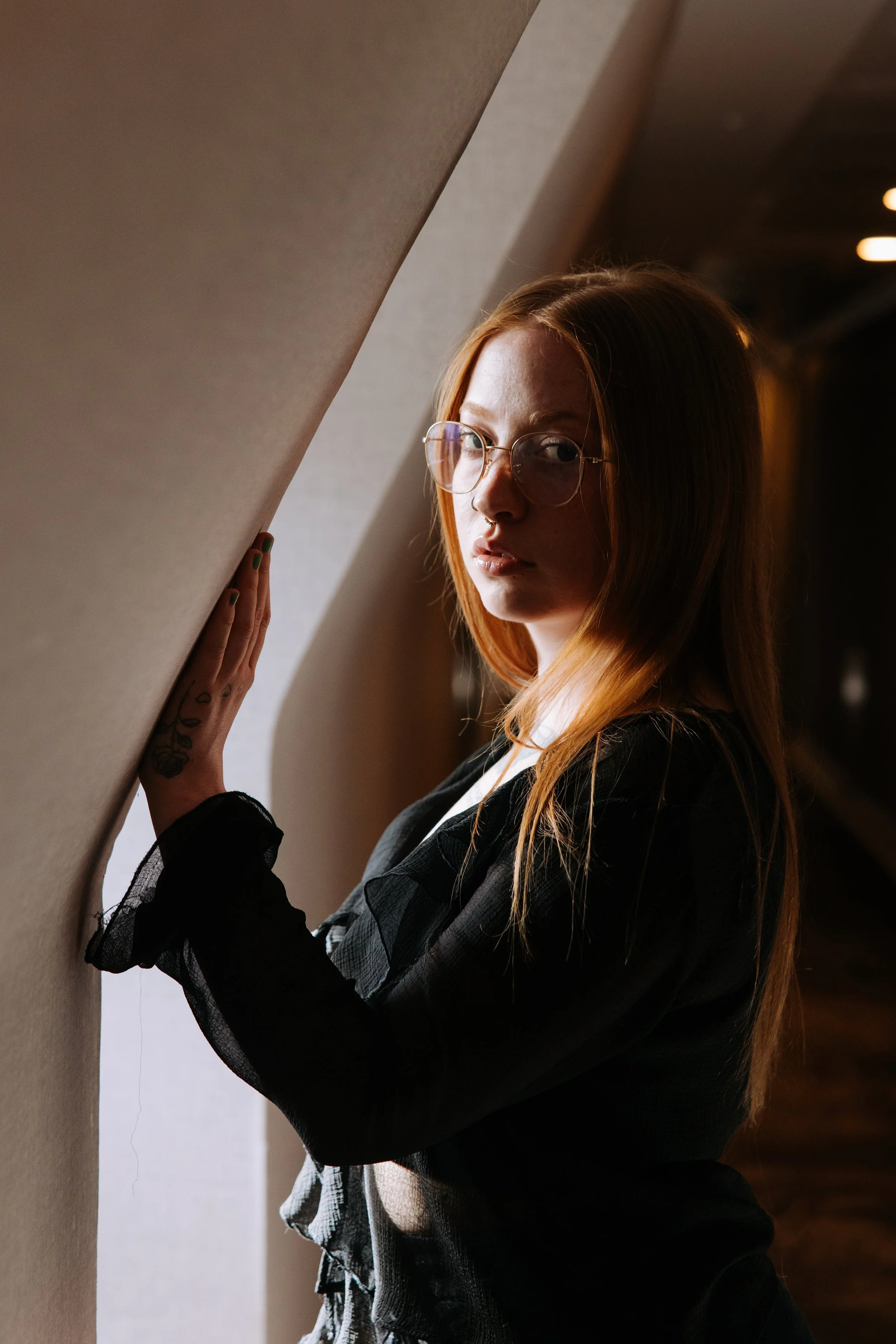
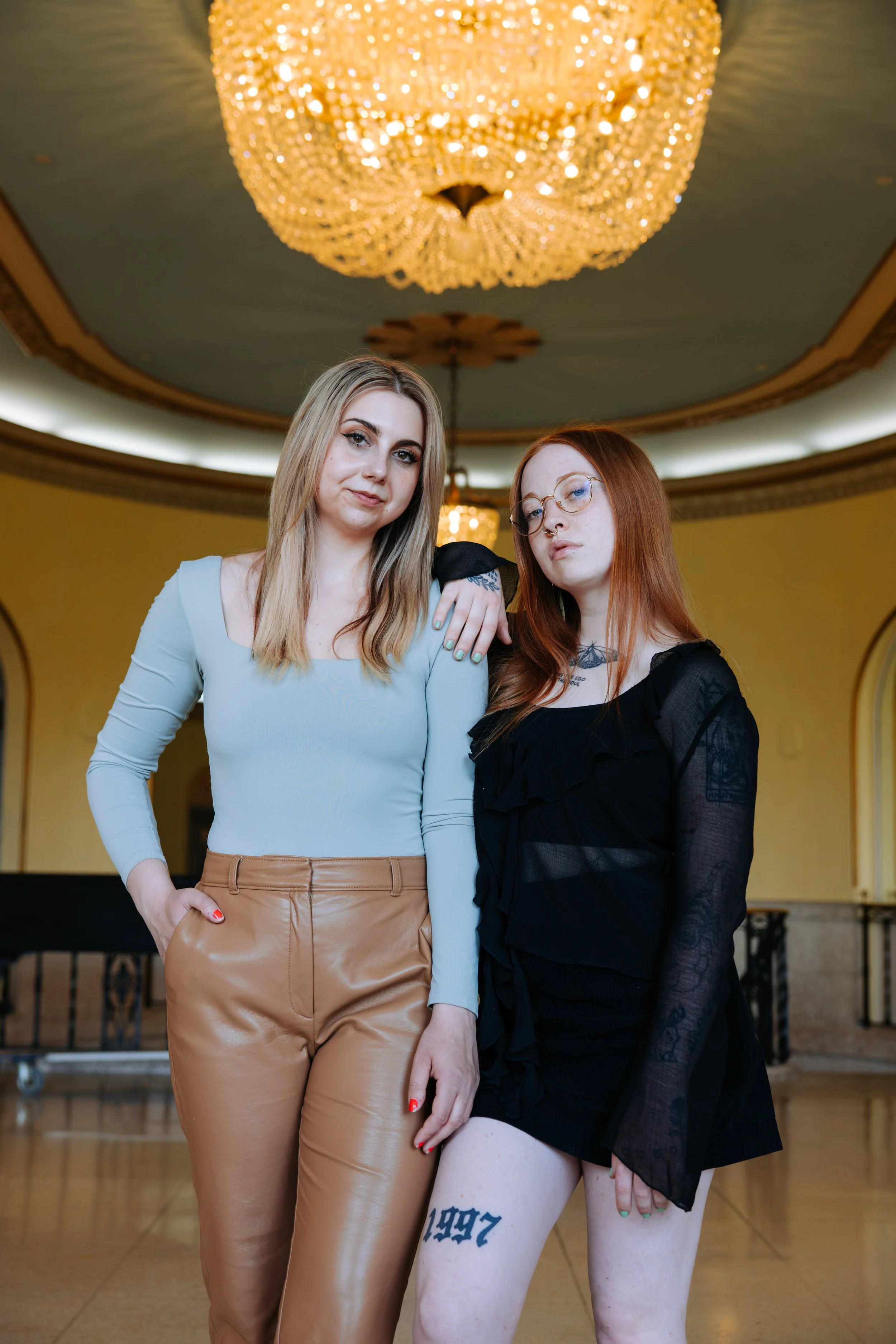
My work sits somewhere between editorial and documentary photography. I adore beautiful composition, rich colour and photographs that feel considered, but I never want to direct something so heavily that I lose the people inside it. I’ll place you in beautiful light, help with your hands, posture or movement when you need me, and then give the moment enough room to become something of its own.
I want to make photographs that look beautiful because of what was happening, not instead of it.
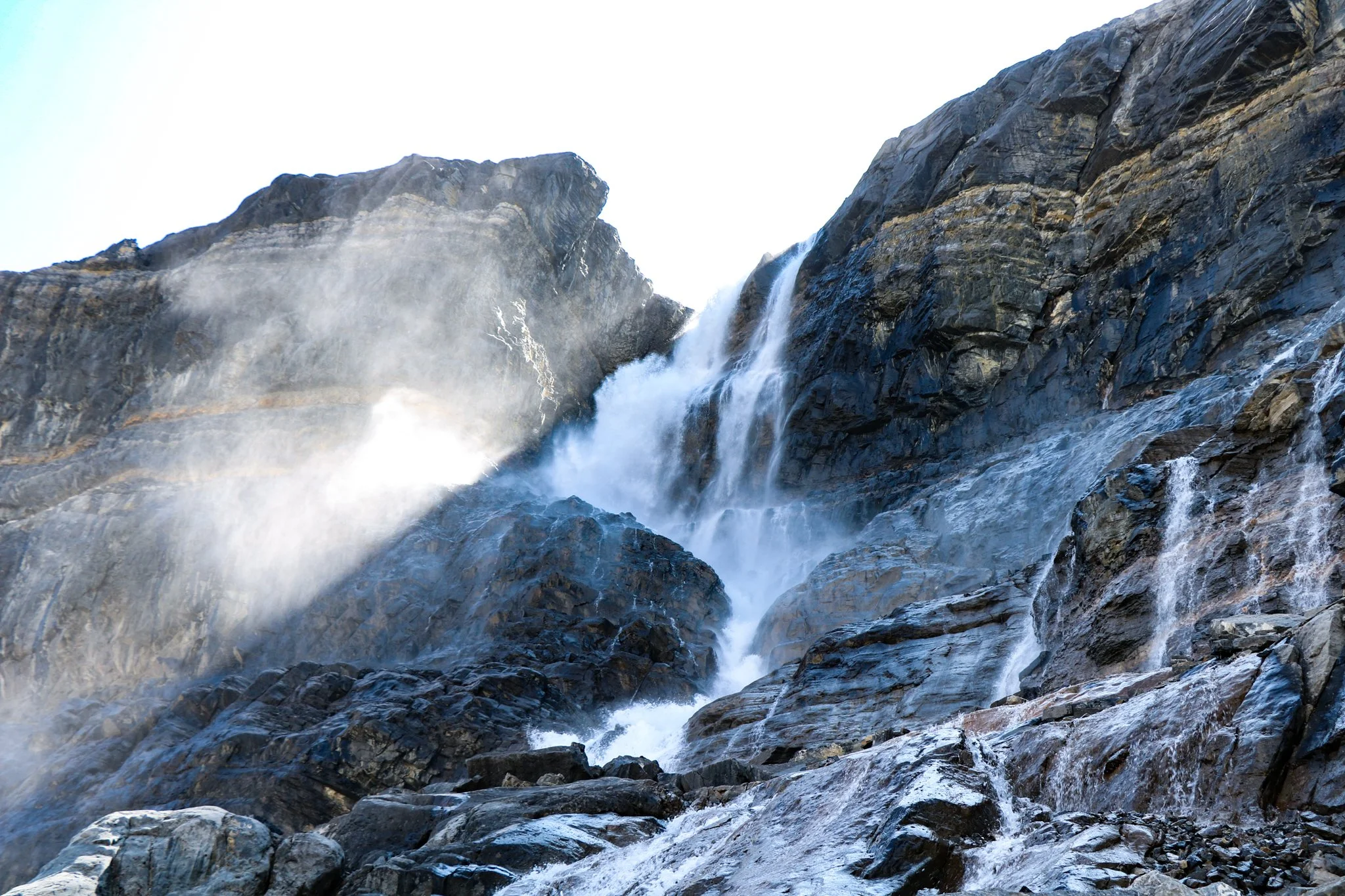
Everything Begins With Light
Light changes everything about a photograph. It shapes a face, changes the way skin photographs, creates depth and determines how colour comes through the camera.
It’s why I care about when and where we photograph.
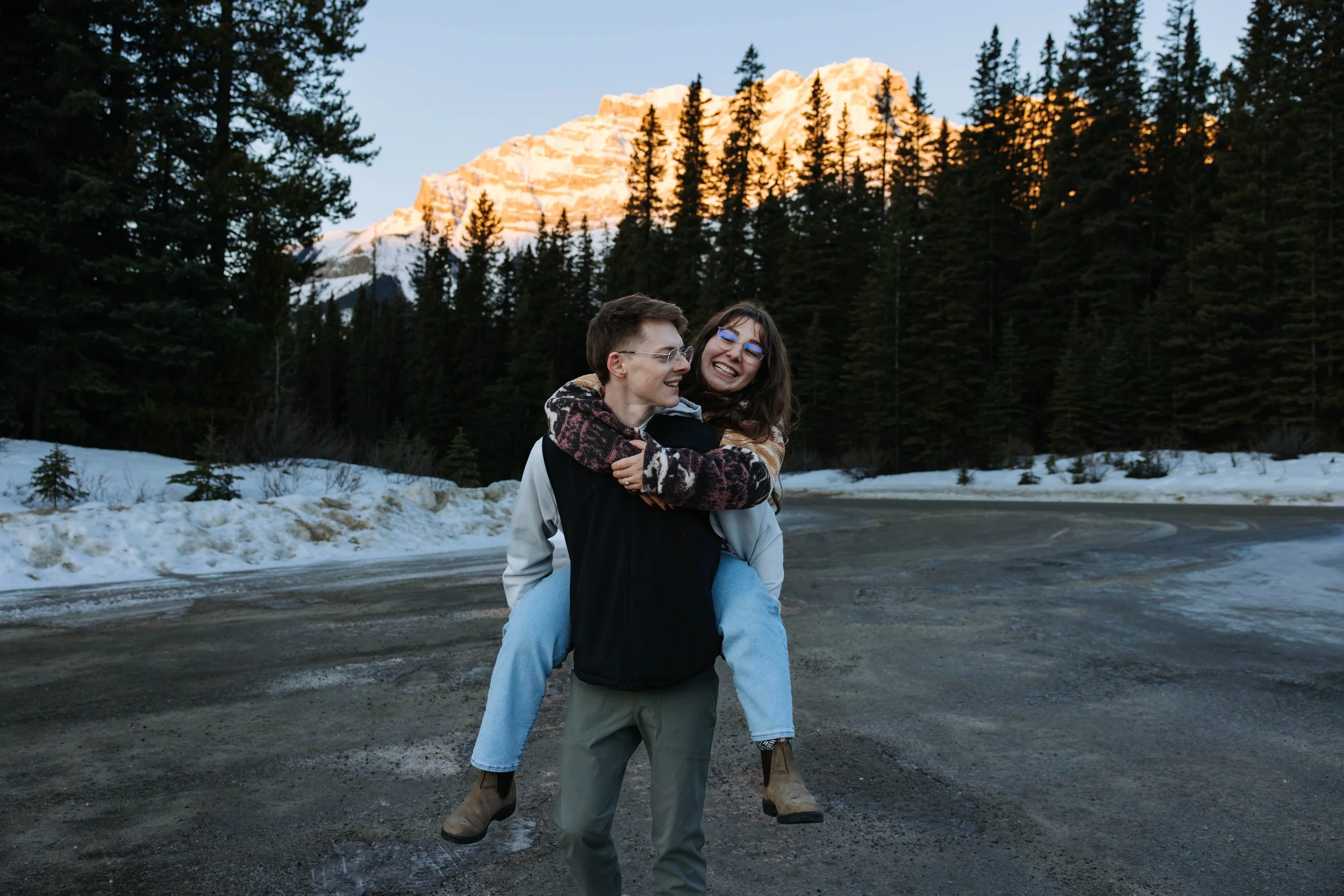
In the Okanagan, evening light can completely transform a location. Dry hills turn gold, the lake picks up colour from the sky, vineyards become deeper and more dimensional, and the mountains begin to layer into the distance.
When the sun is lower, I also have more control over how it reaches you. Instead of fighting strong overhead shadows, I can place the sun behind you, use it from the side for dimension or turn you toward open sky for beautifully soft light.
That doesn't mean I need a perfect sunset.
I adore clouds. Wind gives clothing and hair movement. Haze can soften distant mountains. Even an approaching storm can give me colour and contrast I wouldn't have on a clear evening.
A good photographer isn't someone who needs perfect conditions. It's someone who understands what the conditions are giving them.
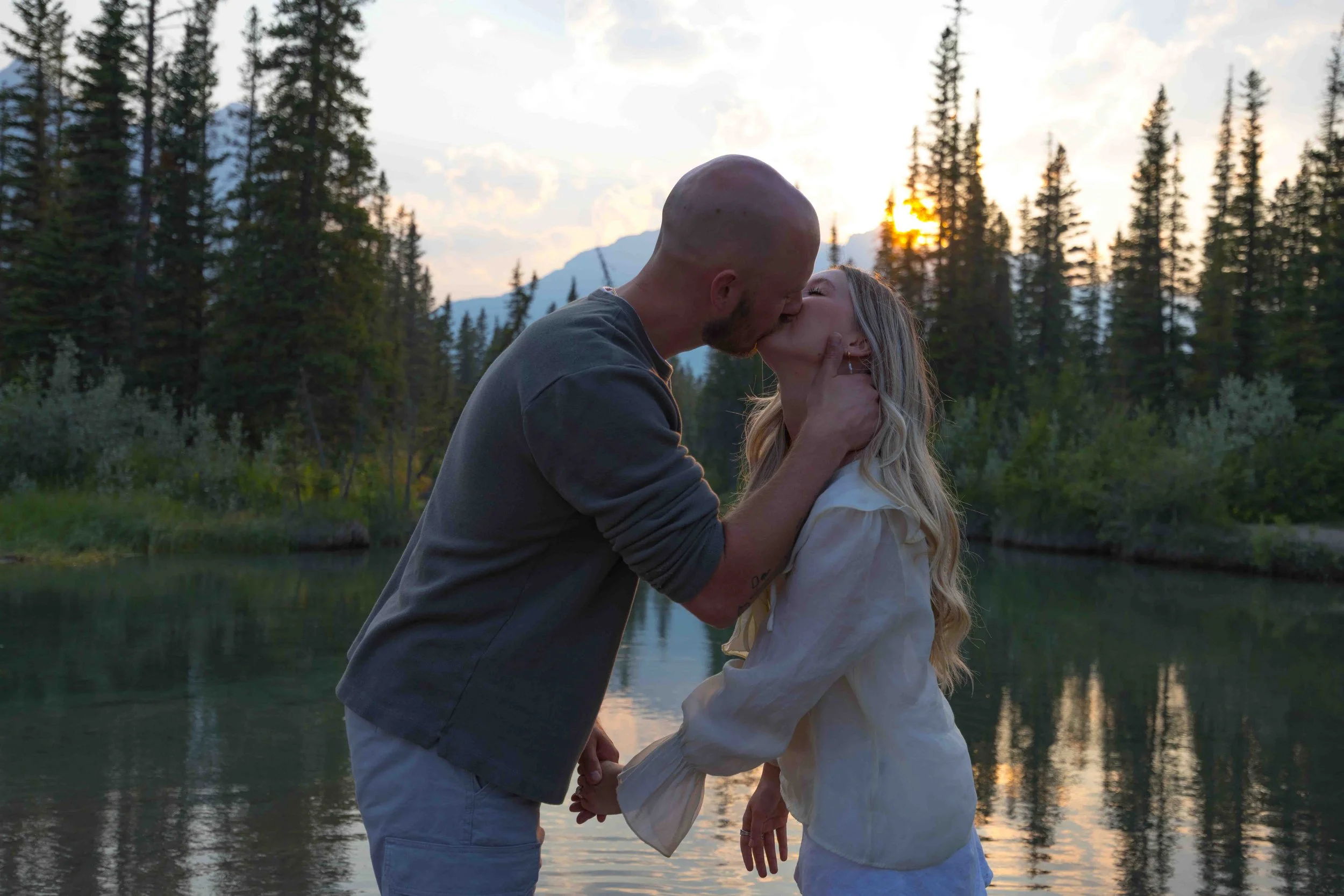
Knowing the Okanagan Matters
Photographing here has taught me that a sunset time on Google doesn't necessarily tell me when I'm going to lose the sun behind a mountain.
Certain beaches photograph beautifully in one direction and completely differently in another. Some locations become packed in summer. Others require a walk before we reach the place where the light actually works.
That local knowledge becomes part of your photographs before I've even taken one.
I think about the landscape too. The Okanagan gives me blue and turquoise water, dusty gold hills, deep green vineyards, orchards, forest and warm earth tones.
I don't want to edit all of that away.
I want you to be able to tell where we were.
I Don't Expect You to Know How to Pose
One of the most important parts of photographing people has nothing to do with a camera.
It's knowing people.
I pay attention to posture, hands, shoulders, height differences, movement and the angles that photograph someone beautifully. But I don't want you thinking about those things.
That's why I give direction.
Sometimes I'll place you somewhere because the light is exactly what I want, give you a starting point and then ask you to walk, talk, turn or move closer. I'm often watching for what happens immediately afterward.
The laugh after I gave you a ridiculous instruction. The way someone's hand naturally moves. The expression that happens when you've forgotten about me for a second.
You don't need to arrive knowing what to do.
I need to know how to photograph you.
That ability comes from practice. After years of photographing hundreds of different people, you learn that there isn't one pose, lens or instruction that works for everybody. You learn to read someone quickly and adapt while you're working.
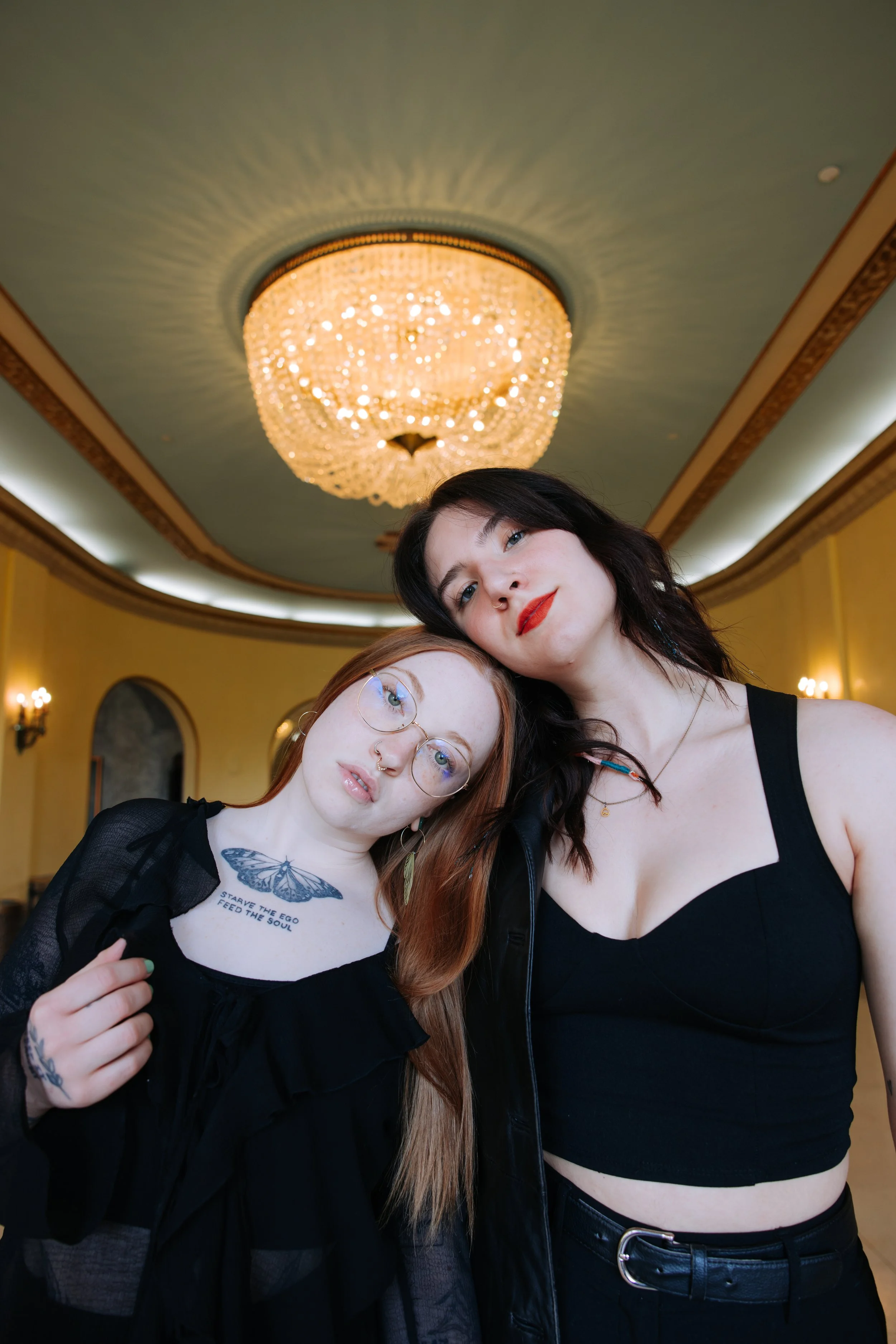
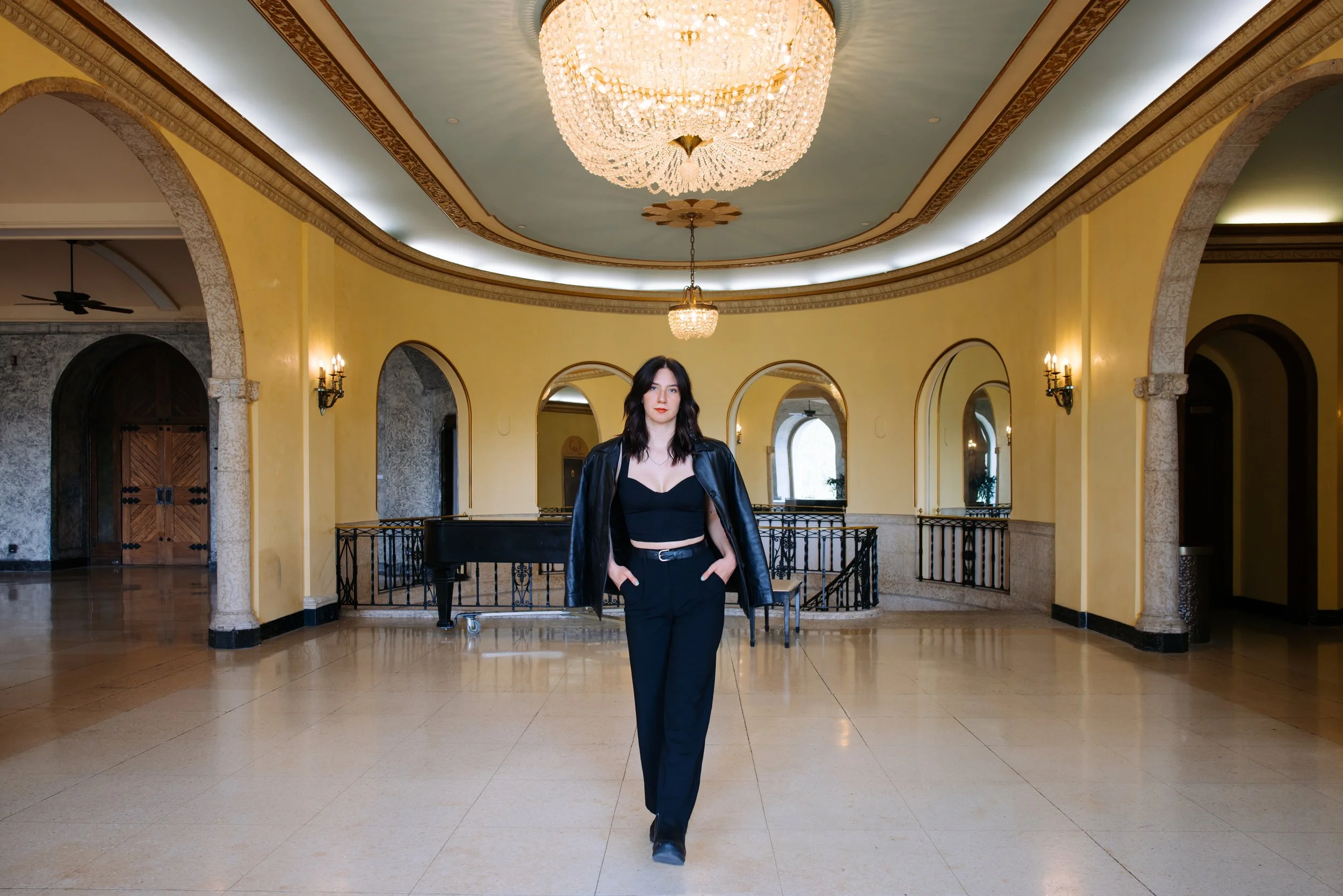
The Photograph Is Created in Camera. The Artwork Continues After.
Editing is a huge part of my work, but my editing begins with the photograph I create in camera.
The exposure I choose affects the colour I'll eventually create. So does the light, the lens, the background, your wardrobe and where I position you.
I photograph in RAW so I have far more information available when I begin post-production. From there, I work through the gallery image by image: exposure, white balance, contrast, highlights, shadows, colour relationships and skin tones. I use local adjustments and masking when a specific part of the photograph needs attention, and retouch when it's necessary.
I don't want editing to make someone unrecognizable.
I want to remove what distracts without removing what makes someone human.
The Colours I Adore
My editing is warm, cinematic and slightly nostalgic, with an editorial approach to composition and colour.
I adore cream instead of stark white. Deep greens. Dusty blues. Denim. Ochre. Rust. Chocolate. Burgundy. Golden grass. Warm skin beside cool water.
I want shadows to remain shadows. I want black to have richness and white to hold detail. I want Okanagan water to still be blue and vineyards to still feel alive.
Most importantly, I want skin to look like skin.
I don't want warmth to mean turning everybody orange. I don't want a preset to become more recognizable than the people in the photograph.
Colour should support the image, not swallow it.
What You're Really Hiring
A beautiful portfolio should be part of why you choose your photographer, but you're also hiring something much harder to show on Instagram: the ability to make good decisions quickly.
Sometimes the sun disappears earlier than expected. The wind starts. A location is packed. Someone feels uncomfortable in front of the camera. A wedding is suddenly running thirty minutes late.
I don't get to stop the day while I figure out photography.
Experience is knowing when to change lenses, change direction, find different light, move five feet, wait ten seconds or take the photograph immediately because I know the moment isn't coming back.
Technical knowledge matters because it gives me the freedom to stop obsessing over my camera and pay attention to what's actually happening in front of it.
And that's where I want my attention to be.
On you.
What I'm Trying to Create
I want beauty. I adore making something beautiful.
I want gorgeous colour, good light, thoughtful composition and photographs strong enough to become artwork in your home.
But I don't want beauty at the expense of recognition.
I still want you in there.
I want the beautifully composed portrait beside the photograph where you completely lose it laughing. I want something editorial beside something that simply happened. I want movement, depth, colour and enough imperfection that the photographs still feel alive.
I want the Okanagan to look like the Okanagan.
And when you open your finished gallery, I don't want you thinking about my preset, my camera or what I did in Lightroom.
I want you to look at yourselves and think:
That looks like us. And damn, we look good.
That's what I'm after.
I'm Darrian, the photographer behind Pocket Sunshine Photography, based in Vernon, BC. I photograph weddings, elopements and couples throughout the Okanagan and beyond with a warm, cinematic and editorial approach grounded in light, colour and movement.
