What Are You Actually Paying for When You Hire a Professional Photographer?
When you hire a photographer, you're paying for photographs.
Of course you are.
But you're also paying for everything that has to happen before those photographs can exist: years spent learning light, understanding a camera without having to stop and think about every setting, working with hundreds of different people, recognizing what photographs beautifully, making decisions quickly and knowing what to do when the plan changes.
A camera is part of my job. It isn't the reason I can do my job.
Photography is technical, creative and incredibly human all at once. And when those three things finally become second nature, something changes. I can spend less time thinking about the camera in my hands and more time paying attention to the people standing in front of it.
That's what you're really hiring.
Experience Looks Like Making It Feel Easy
A lot of professional photography is invisible when it's being done well.
You shouldn't have to know that I'm watching the direction of the sun while you're talking to me. You don't need to know why I've moved you several feet to the left, changed lenses or suddenly decided we're going to photograph somewhere slightly different than we planned.
I need to know.
Experience means recognizing that the light isn't working before I waste twenty minutes trying to force it. It's knowing how to work with a couple who has never been professionally photographed, how to adjust for different heights and body types, and how to give enough direction that you feel confident without posing every finger.
It's also knowing when to stop directing.
Sometimes my job is to build the conditions for a photograph and then get out of its way.
The value of experience isn't knowing exactly what will happen. It's knowing what to do when it doesn't.
That's particularly important at weddings. Timelines move. Weather changes. Locations are busier than expected. Family members disappear immediately before family photographs. A ceremony runs late and suddenly the beautiful portrait window we planned is ten minutes instead of thirty.
The wedding doesn't stop so I can figure it out.
I adapt.
You're Hiring Someone Who Knows People, Too
This may be one of the most underestimated parts of professional photography.
I work with people far more than I work with cameras.
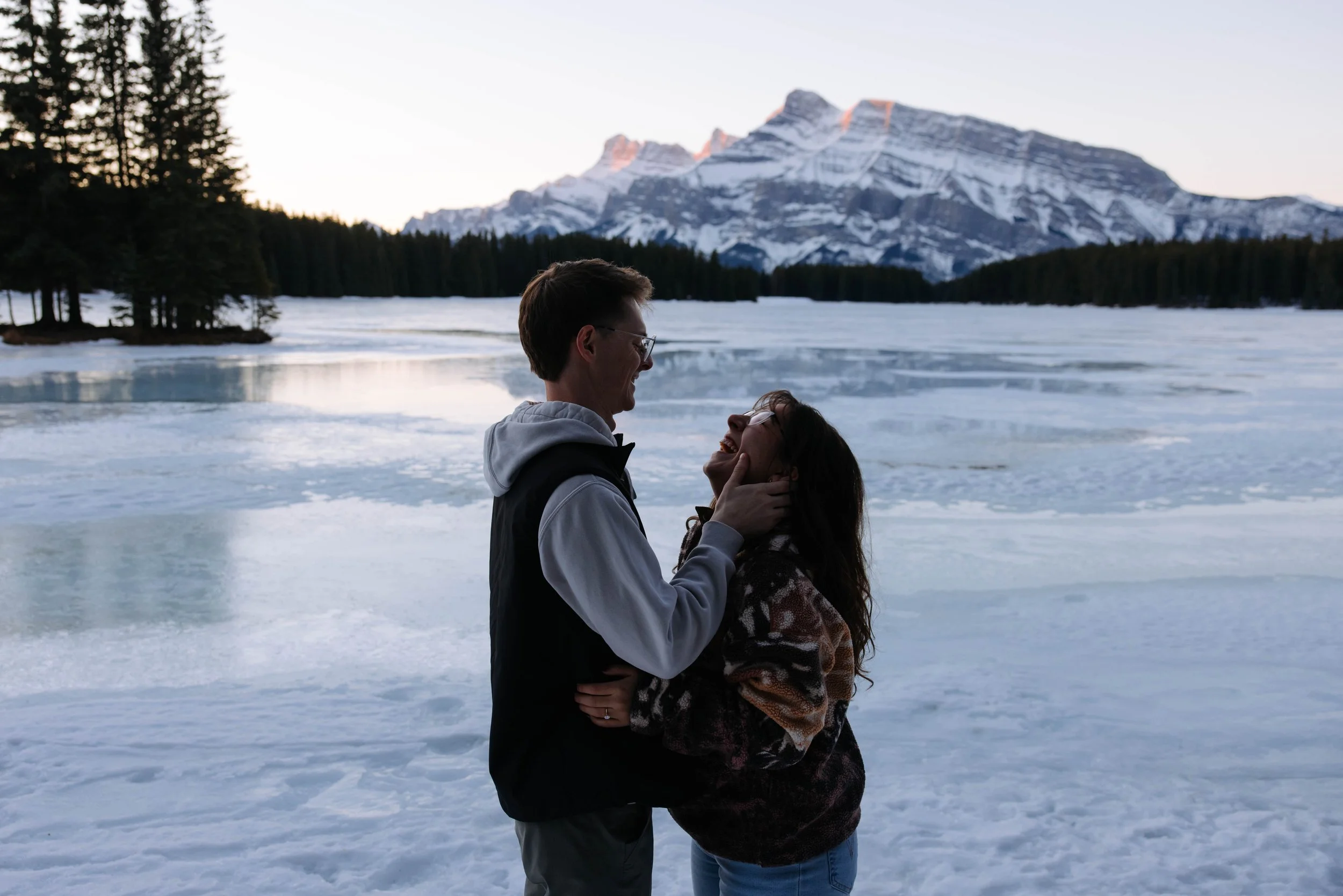
Not everyone feels comfortable being photographed. Some people arrive telling me they hate having their picture taken. Someone may be worried about their body, their smile, their height or what to do with their hands. Couples don't all interact the same way, and asking every couple to perform the same ten Pinterest poses isn't going to suddenly make them look natural.
Part of my job is reading people.
I learn when someone needs more direction and when they need less. I pay attention to posture, movement, hands and body position without constantly announcing that I'm doing it. I find ways to make people move so they aren't standing there wondering what happens next.
After photographing hundreds of people, you start recognizing small things quickly.
And those small things matter.
You don't have to be good at being photographed.
I have to be good at photographing you.
Then There's the Technical Side You Rarely See
Professional photography requires equipment, but the equipment only becomes valuable when someone knows how to use it.
Camera bodies, professional lenses, flashes, batteries, memory cards and backup equipment are the obvious pieces. Behind them is another entire system: a computer capable of processing large RAW files, calibrated displays, editing software, professional gallery hosting, cloud and physical backups, storage and the tools I use to keep client work organized and protected.
But technical knowledge goes beyond owning any of it.
I need to understand shutter speed well enough to know when movement will be sharp and when I might deliberately let it blur. I need to understand aperture and depth of field, focal length and compression, exposure, white balance, autofocus behaviour and how all of those decisions affect the final photograph.
At a wedding, those decisions can change constantly.
A bright outdoor ceremony becomes a dim reception. A first dance starts. Someone turns the lights down. The DJ adds coloured lighting. Then everyone moves onto the dance floor.
There isn't a single camera setting for “wedding.”
The equipment has to become an extension of the person using it.
A One-Hour Photoshoot Is Never One Hour of Work
This is another part of professional photography that happens almost entirely behind the scenes.
Before a session, I may be communicating with the client, helping with wardrobe, choosing a location, checking weather and light, preparing equipment and planning around the time of year.
Then I travel to the location and photograph the session.
Afterward, every image needs to be safely backed up before I even begin deciding what belongs in the gallery.
Then comes culling.
I may have several versions of what appears to be the same moment, but someone's expression changes, focus shifts or a hand moves slightly. I'm choosing the strongest photograph rather than handing over everything the camera captured.
Then I edit.
Exposure. White balance. Skin tones. Contrast. colour. Cropping. Masking. Retouching where necessary. Exporting. Uploading. Building and checking the finished gallery.
For a wedding, multiply that process by thousands of photographs.
The hour you see me is only one part of the work.
Local Knowledge Has Value, Too
Being an Okanagan photographer means I'm not only thinking about where a location looks beautiful.
I'm thinking about when it looks beautiful.
Where will the sun actually disappear behind the hills? Is this beach packed on a Saturday evening in July? Does reaching that viewpoint require a twenty-minute walk? Is there somewhere nearby if smoke, weather or crowds change our original plan?
The Okanagan gives us lakes, vineyards, orchards, dry hills, forests and mountains, but they don't all photograph the same way at the same time.
Understanding a place saves time.
And when we're working with a sunset, a wedding timeline or children who have approximately seventeen more minutes of cooperation left in them, time matters.
Professional Photography Is Also a Business
There are costs behind every professional photography business that don't appear in your gallery.
Equipment needs maintenance and replacement. Cameras have backups because equipment can fail. Files need multiple forms of storage because your photographs shouldn't exist in only one place. Editing and gallery software require subscriptions. There are insurance costs, website costs, accounting, taxes, education and all of the less glamorous infrastructure required to run a legitimate business.
Those costs influence photography pricing.
But I don't think they're the most important reason professional photography costs what it does.
You aren't hiring my Adobe subscription.
You're hiring what I know how to do with everything I've invested in.
What You're Really Paying For
Ultimately, I think professional photography comes down to judgement.
Knowing where to stand.
Knowing where to put you.
Knowing when the light is about to become beautiful.
Knowing when a photograph needs direction and when a moment needs absolutely none.
Knowing when something isn't working and changing it quickly.
Knowing how to walk into a room of strangers and make people comfortable enough to let me photograph them.
And knowing how to take everything I captured home and turn it into a finished body of work that feels cohesive from beginning to end.
Equipment helps me do that. Software helps me finish it. Experience is what connects everything.
You're not paying me to press a button. You're hiring me to know when, where and why to press it.
Why the Right Photographer Is Worth Finding
Price matters when choosing a photographer. It should.
But once you've established what you can comfortably spend, look beyond the number.
Look through complete galleries if they're available. Pay attention to skin tones. Look at photographs taken indoors as well as at sunset. Look at movement, family photographs and reception images, not only the ten perfect portraits at the top of Instagram.
Then pay attention to the person.
Do you trust them? Do you like how they communicate? Would you feel comfortable being vulnerable, ridiculous or emotional around them? If plans change, do you trust them to make a decision?
Because you're not simply purchasing a collection of photographs.
You're choosing the person responsible for creating them.
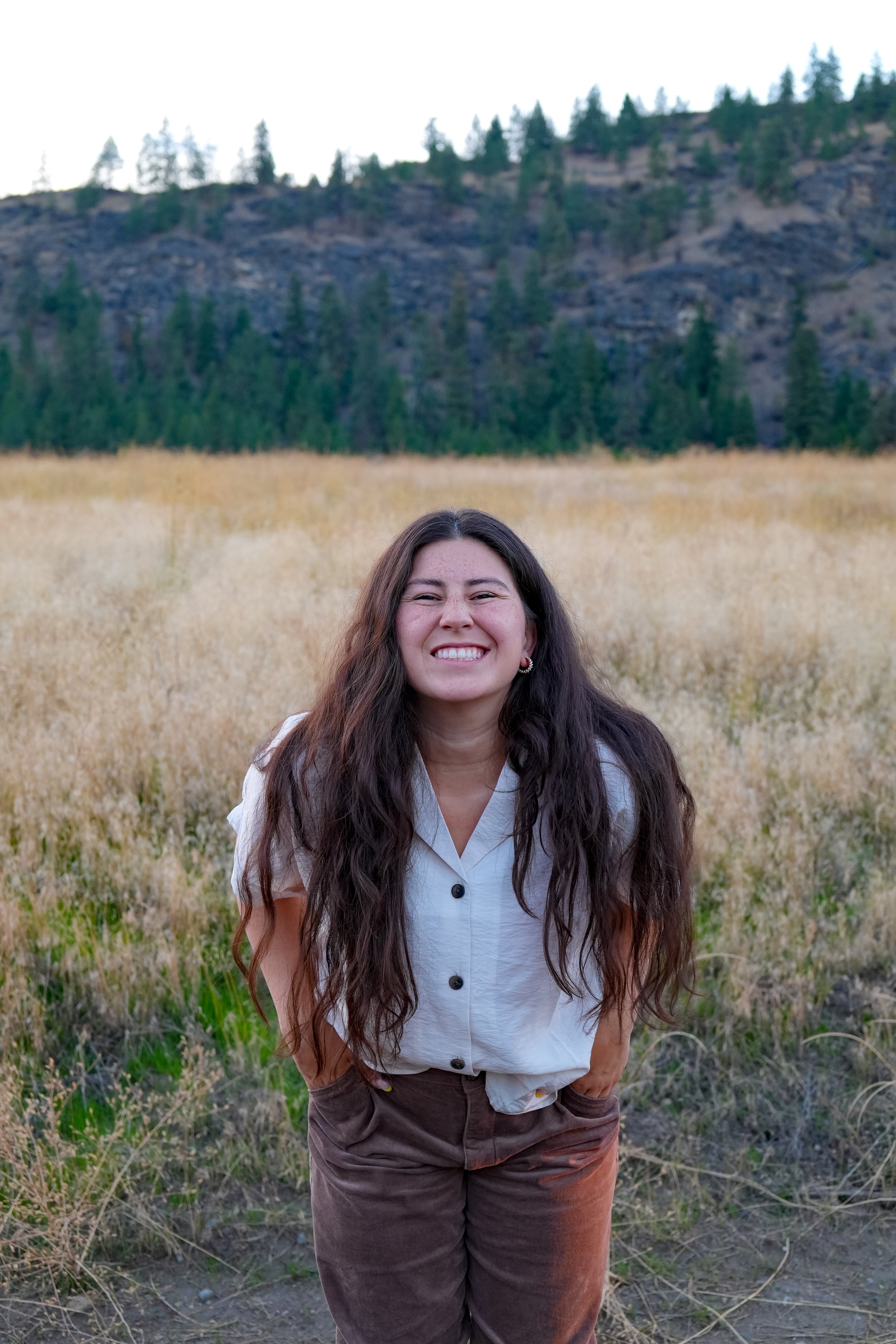
I'm Darrian, the photographer behind Pocket Sunshine Photography, based in Vernon, BC. I photograph weddings, elopements and couples throughout the Okanagan and beyond, bringing more than a decade of photography experience to the people and places in front of my camera.
My goal isn't simply to show up with professional equipment.
It's to bring everything I've learned with me, so when you're standing in front of my camera, you don't have to think about any of it.
You just get to be there.
